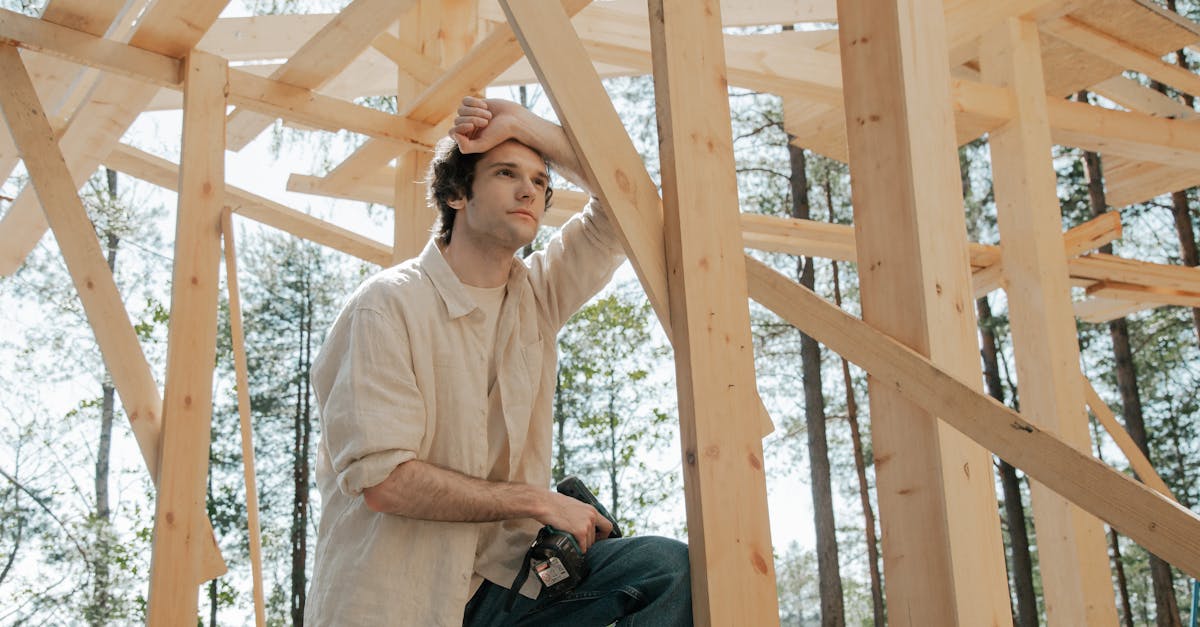
Transforming Old Homes: Innovative Extension Ideas for Your Tamworth Property
Table Of Contents
Sustainable Construction Practices
The growing demand for eco-conscious living has spurred the adoption of sustainable construction practices among homeowners. This approach involves utilising energy-efficient designs, sourcing local materials, and implementing renewable energy systems. Not only do these strategies enhance the environmental footprint of an extension, but they also improve the overall functionality and aesthetic appeal of the property.
Incorporating passive solar design principles can significantly reduce heating and cooling costs. Orientation of windows, insulation, and the use of thermal mass are crucial elements that contribute to an energy-efficient home. Additionally, integrating landscaping that supports natural cooling and heating can further lower energy consumption. Adopting these methodologies not only underscores a commitment to sustainability but also increases the long-term value of the home.
Eco-Friendly Materials and Techniques
Using eco-friendly materials not only contributes to a healthier living environment but also enhances the aesthetic appeal of your home. Sustainable timber, for instance, comes from responsibly managed forests and can provide a beautiful finish while reducing your carbon footprint. Other options include recycled steel and bamboo, both of which are strong and durable while being less harmful to the environment. Consider incorporating natural insulation materials like hemp or wool, which offer excellent thermal performance and are biodegradable.
Techniques that reduce energy consumption during construction can also have a lasting impact on your home’s sustainability. Installing solar panels can harness renewable energy, significantly lowering electricity bills. Additionally, utilising passive design principles—such as strategic placement of windows for natural light and ventilation—will contribute to a more energy-efficient home. Rainwater harvesting systems can be integrated to collect and reuse water for irrigation, further promoting eco-friendly practices and conserving valuable resources.
Navigating Local Building Regulations
Residents looking to extend their homes in Tamworth must ensure compliance with local building regulations. These regulations are essential in maintaining safety standards and preserving the character of the area. Homeowners should familiarise themselves with the requirements outlined by Tamworth Council, including specific guidelines for planning permissions. Engaging with the local authority early in the planning process can help clarify any potential issues that may arise.
Consulting a qualified architect or builder familiar with local codes often proves beneficial. They can provide valuable insights into the necessary documentation and help navigate the intricacies of the approval process. Potential fines and delays can be avoided by ensuring that all plans are in line with the established regulations. Being proactive in understanding these requirements paves the way for a smoother extension experience.
Understanding Tamworth Council Requirements
When considering an extension to your home, it's essential to familiarise yourself with the regulations set forth by the local council in Tamworth. These guidelines cover various aspects of construction, including zoning laws, building codes, and safety requirements. Engaging with the council early in the planning process can help clarify any restrictions that might influence your design choices or approval timelines.
Undertaking a home extension without ensuring compliance can lead to complications. It may result in delays, additional costs, or even the need to reverse completed work. To navigate this effectively, consulting a local builder or architect with experience in Tamworth may be beneficial. They can guide you through the application process and help ensure your project aligns with both council requirements and community standards.
Budgeting for Your Home Extension
When planning a home extension, creating a detailed budget is essential. Start by estimating costs for materials, labour, and any additional features you may want to include. It's wise to set aside a contingency fund to cover unexpected expenses during the project. Research current prices and trends in the construction industry to ensure your figures are accurate. Consulting with local builders or contractors can provide insights and help refine your budget estimates.
Financial planning plays a crucial role in the success of your extension project. Assess your available funds and explore financing options if necessary. Home loans and construction loans can be effective ways to fund your project, but it’s important to consider interest rates and repayment terms. Collaborating with a financial advisor can provide clarity on your budget and assist in identifying the best path forward. Proper planning can enhance your investment and ensure the extension meets your expectations without stretching your finances too thin.
Cost Breakdown and Financial Planning
When planning a home extension, it is vital to create a comprehensive budget that covers all aspects of the project. Begin by assessing initial costs, such as architectural plans and permits, which can vary significantly based on the complexity of the design. Additionally, account for materials and labour, as prices can fluctuate due to market conditions or specific supplier choices. It is prudent to include a contingency fund within your overall budget, typically around 10-20% of the total projected costs, to cover unexpected expenses that may arise during construction.
Understanding the financial landscape for your home extension also involves exploring funding options available to you. Homeowners may consider tapping into savings, taking out a construction loan, or even refinancing their existing mortgage to fund the project. Calculating the potential return on investment should influence your financial planning. With a well-thought-out budget and financing strategy, you can ensure that your home extension not only meets your needs but also adds value to your Tamworth property.
FAQS
What are some eco-friendly materials I can use for my home extension in Tamworth?
You can consider using recycled timber, bamboo, straw bales, and low-VOC paints. These materials are sustainable and can greatly reduce the environmental impact of your extension.
How do I navigate the local building regulations for my home extension?
It's essential to consult the Tamworth Council’s guidelines and speak with a local builder or architect who is familiar with the area. They can help you understand the specific requirements and ensure your project complies with local regulations.
What should I include in my budget for a home extension?
Your budget should include costs for materials, labour, permits, design fees, and unexpected expenses. It's wise to allocate an additional 10-15% of your budget for contingencies.
Are there any specific requirements from the Tamworth Council I need to know about?
Yes, the Tamworth Council has specific zoning regulations, height restrictions, and setback requirements. It's advisable to check their website or contact them directly for detailed information before starting your project.
How can I ensure my home extension is sustainable?
You can ensure sustainability by choosing eco-friendly materials, incorporating energy-efficient systems like solar panels, and designing your extension to maximise natural light and ventilation. Working with a designer experienced in sustainable practices can also help you achieve your goals.
Related Links
Design Inspirations for Extending Your Living Space in TamworthHow to Choose the Right Builder for Your Home Renovation in Tamworth
Common Pitfalls to Avoid in Home Extensions in Tamworth
Enhancing Home Value Through Strategic Renovations in Tamworth
Creating Cohesive Designs: Blending Old and New in Tamworth Renovations
Budgeting for Your Home Renovation: Tips for Tamworth Homeowners
Sustainable Practices in Home Renovation: A Tamworth Perspective
The Importance of Planning Permission for Home Extensions in Tamworth
Maximising Space with Practical Renovation Techniques in Tamworth Homes