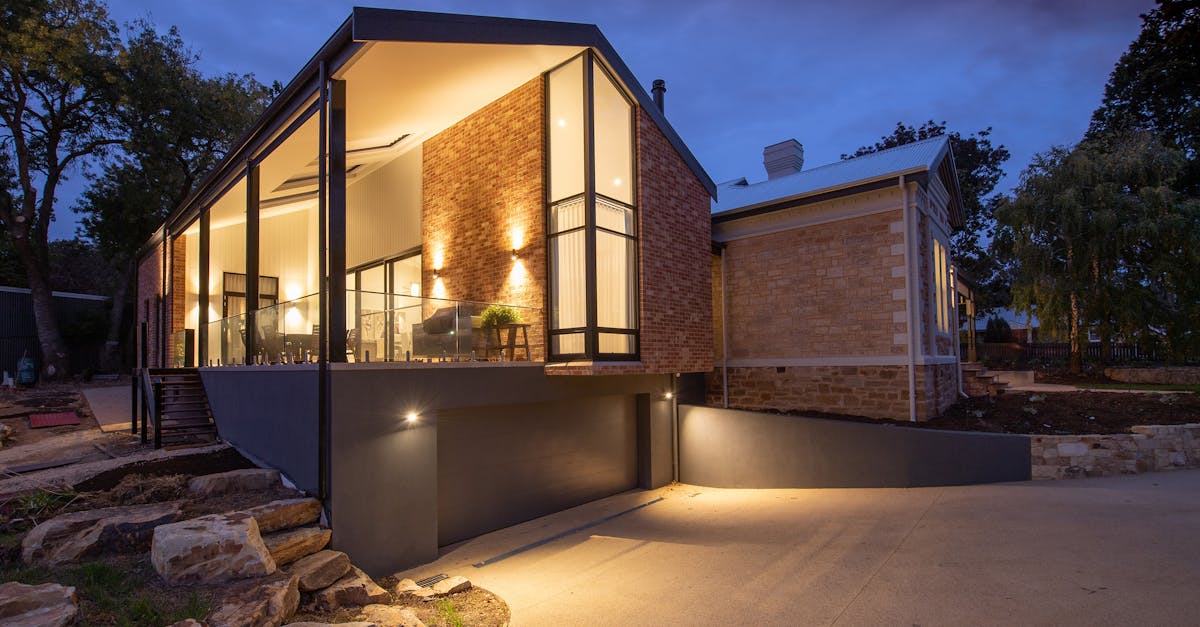
Customising Traditional Home Designs for Modern Family Needs
Table Of Contents
Sustainable Practices for Customised Homes
Incorporating sustainable practices into traditional home designs can significantly reduce their environmental footprint. Homeowners are increasingly prioritising energy-efficient solutions such as solar panels, rainwater harvesting systems, and high-performance insulation. These features not only contribute to reducing utility costs but also promote a healthier living environment. Many builders are now collaborating with local artisans and suppliers to source eco-friendly materials, ensuring that the homes are constructed from sustainable timber, recycled steel, and low-VOC paints.
Creating custom homes with sustainability in mind also focuses on land use and site planning. Maximising natural light and ventilation can enhance energy efficiency and improve residents' quality of life. Landscaping choices, such as native plants and xeriscaping techniques, can reduce water consumption significantly. These careful considerations allow families to enjoy modern comforts while being responsible stewards of their environment. Custom designs that emphasise sustainability create spaces that are not only functional but also harmonious with the surrounding ecosystem.
Eco-Friendly Materials and Energy-Efficient Solutions
Building a sustainable home involves selecting materials that minimise environmental impact. Recycled timber and bamboo are popular choices due to their renewability and durability. Additionally, eco-friendly insulation options made from natural fibres help improve energy efficiency while reducing reliance on synthetic materials. These choices not only support sustainable practices but also add unique aesthetic appeal to traditional designs.
Energy-efficient solutions go hand-in-hand with eco-conscious materials. Installing double-glazed windows significantly reduces heat loss, which can lead to lower energy bills. Incorporating solar panels provides a renewable energy source that can power the home, further decreasing dependence on non-renewable energy sources. Implementing these strategies ensures that modern families can enjoy the benefits of a comfortable living environment while being mindful of their ecological footprint.
Outdoor Living Spaces
Outdoor living spaces have become a vital aspect of modern home design. They offer families a chance to connect with nature while providing a versatile area for recreation and relaxation. Patios, decks, and garden areas can be customised to suit individual preferences, paving the way for engaging family gatherings and outdoor dining experiences. By integrating comfortable furnishings, shade structures, and outdoor kitchens, these spaces can serve multiple purposes, from children's play to entertaining guests.
Incorporating landscaping elements adds beauty and functionality to these areas. Thoughtfully designed gardens can enhance outdoor enjoyment, featuring native plants that thrive in local climates while requiring minimal maintenance. Pathways and seating arrangements can create inviting atmospheres, encouraging families to spend more time outside. Attention to detail can transform an ordinary backyard into a stunning retreat that complements the traditional aspects of the home while catering to contemporary lifestyle needs.
Designing Patios and Gardens for Family Enjoyment
Creating outdoor living areas for family enjoyment involves more than just aesthetics; functionality plays a significant role. Thoughtfully designed patios can serve as the perfect backdrop for family gatherings and outdoor meals. Incorporating various seating options ensures comfort for every member, from toddlers to grandparents. Adding shade structures, such as pergolas or umbrellas, provides relief from the harsh sun, enabling families to enjoy their outdoor spaces throughout the year.
Gardens can be tailored to suit the active lifestyle of a modern family. Incorporating native plants not only enhances the visual appeal but also promotes biodiversity and requires less maintenance. Creating designated play areas within gardens encourages children to explore and engage with nature while allowing parents to supervise easily. Features like raised vegetable beds can introduce gardening as a family activity, fostering a sense of teamwork and responsibility among all family members.
Smart Home Technology Integration
The integration of technology into traditional home designs can significantly elevate the living experience. Smart home systems offer convenience and control, allowing families to manage various aspects of their living environment with ease. From lighting and heating to security features, these technologies can be customised to meet specific family needs, making daily routines more efficient while retaining the charm of traditional architecture.
Incorporating smart technology can also contribute to energy efficiency. Programmable thermostats help families optimise heating and cooling, reducing unnecessary energy consumption. Likewise, smart lighting systems can adjust according to natural light levels or family schedules. This not only leads to a more comfortable home but also promotes a sustainable lifestyle that aligns with modern values.
Modern Innovations to Enhance Traditional Comfort
Integrating smart home technology into traditional designs offers families the convenience of modern living without sacrificing the charm of classical aesthetics. Systems such as automated lighting and climate control can be seamlessly incorporated, allowing homeowners to customise their environments with ease. Voice-activated assistants and smart appliances elevate everyday tasks, making them more efficient while offering a level of comfort that suits contemporary lifestyles.
Home security is another area where modern innovations shine. Smart locks and surveillance cameras can be installed discreetly, ensuring peace of mind without compromising the home's traditional character. Additionally, energy management systems can monitor power usage, enabling families to maintain both sustainability and comfort. These advancements allow for a harmonious blend of old and new, catering to present-day needs while preserving timeless design elements.
FAQS
What are some sustainable practices for customising traditional home designs?
Sustainable practices include using eco-friendly materials, incorporating energy-efficient solutions, and utilising renewable energy sources such as solar panels. These practices help reduce the environmental impact while maintaining the home's aesthetic appeal.
How can I incorporate eco-friendly materials into my home design?
You can incorporate eco-friendly materials by choosing sustainable timber, recycled metal, bamboo, and low-VOC (volatile organic compound) paints. These materials not only minimise environmental impact but also contribute to healthier indoor air quality.
What are the benefits of creating outdoor living spaces in traditional home designs?
Outdoor living spaces provide areas for family gatherings, relaxation, and recreation. They enhance the overall living experience by seamlessly blending indoor and outdoor environments, promoting a healthy lifestyle, and increasing property value.
How can I design a patio or garden that is enjoyable for the whole family?
To design a family-friendly patio or garden, consider incorporating comfortable seating, play areas for children, and shaded spaces for relaxation. Use native plants and sustainable landscaping techniques to create an inviting atmosphere that families can enjoy together.
What smart home technologies can be integrated into traditional home designs?
Smart home technologies such as smart thermostats, security systems, lighting controls, and home assistants can be integrated to enhance comfort and convenience. These innovations allow for greater energy efficiency and control over the home environment while preserving its traditional charm.
Related Links
The Importance of Craftsmanship in Traditional Home BuildingEmphasising Community and Heritage in Traditional Home Design
Understanding the Heritage Significance of Traditional Home Styles
Blending Contemporary Comfort with Classic Traditional Designs
Designing Comfortable Spaces: The Essence of Traditional Home Layouts
Creating Timeless Curb Appeal with Traditional Facade Styles